32 private links

In October 2023, the Sinaloa Cartel looked to publicly signal that it was moving away from fentanyl trafficking amid an intensifying crackdown on its operations by U.S. and Mexican authorities. As one of two major suppliers, this would be a significant shift, but it remains unclear how genuine this announcement was. In October 2025, the Treasury Department sanctioned a slew of companies and their affiliates for allegedly supplying fentanyl precursors to a faction of Sinaloa.

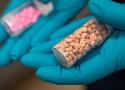
Researchers cannot yet say with confidence why deaths have gone down. Experts have offered multiple possible explanations: increased availability of the overdose-reversing drug naloxone, expanded addiction treatment, shifts in how people use drugs, and the growing impact of billions of dollars in opioid lawsuit settlement money.
Some also point to research that suggests the number of people likely to overdose has been shrinking, as fewer teens take up drugs and many illicit drug users have died.
Two other theories recently joined the list.
In a paper published last week in the journal Science, University of Maryland researchers point to the drug supply. They say regulatory changes in China a few years ago appear to have diminished the availability of precursor chemicals used to make fentanyl.
Their argument is based partly on information from the U.S. Drug Enforcement Administration, which last year reported that the purity — and dangerous potency — of fentanyl rose early in the COVID-19 pandemic but fell after 2022. It suggests it became harder to make fentanyl and its potency was diluted.
MANN: Yeah, it's pretty remarkable. When I first started reporting on fentanyl, A, most experts said stopping this drug or even slow [inaudible] significantly would be nearly impossible. That's because fentanyl is just easy to make from industrial chemicals. So drug policy experts I've been speaking to think Biden expanded health care and drug addiction treatment programs in ways that saved lives. And this new paper suggests Biden's team also convinced China to help curb the sale of so-called precursor chemicals that are needed to make fentanyl in ways that really hit the drug gangs hard. Again, here's Keith Humphreys.

The Biden administration was disrupting fentanyl traffickers — arresting and prosecuting key drug cartel leaders. Federal officials were also expanding public health and medical insurance programs, funneling more dollars to harm-reduction efforts and making it easier for people to access medications like naloxone and buprenorphine that help prevent overdoses.
An estimated 109,783 additional people would have died from opioid overdose if the population exposed to opioid overdose risk had remained constant rather than declining; an estimated 260,024 fewer people would have died from overdose if probability of fentanyl involvement in opioid overdose deaths had remained constant rather than increasing. Fentanyl's representation in the U.S. drug supply appears to be a key driver of overdose trends. A declining population exposed to overdose risk over the last decade may be related to prior deaths and to evidence-based efforts to prevent substance use and opioid use disorder.

"When programming, it's useful to just see how the logic is supposed to flow. It's like if you were playing chess and were able to see a few more steps ahead than normal - and you don't even realise, you are just flowing. "With a microdose you don't get the overwhelming rush of emotions and feelings. You don't get hallucinations nor do you feel sleepy,"

the vast majority of illicit fentanyl — close to 90% — is seized at official border crossings. Immigration authorities say nearly all of that is smuggled by people who are legally authorized to cross the border, and more than half by U.S. citizens like Haley. Virtually none is seized from migrants seeking asylum.
"Our analysis, our intelligence continues to point to most of what's being smuggled at the ports of entry," said Troy Miller, the acting commissioner of Customs and Border Protection, in an interview.

Researchers discovered a unique property of psychedelic drugs: their ability to reopen "critical periods" in the brain, times when the brain is highly susceptible to environmental learning signals.

Question How do the profits of large pharmaceutical companies compare with those of other companies from the S&P 500 Index?
Findings In this cross-sectional study that compared the profits of 35 large pharmaceutical companies with those of 357 large, nonpharmaceutical companies from 2000 to 2018, the median net income (earnings) expressed as a fraction of revenue was significantly greater for pharmaceutical companies compared with nonpharmaceutical companies (13.8% vs 7.7%).
Meaning Large pharmaceutical companies were more profitable than other large companies, although the difference was smaller when controlling for differences in company size, research and development expense, and time trends.
Question How much do drug companies spend on research and development to bring a new medicine to market?
Findings In this study, which included 63 of 355 new therapeutic drugs and biologic agents approved by the US Food and Drug Administration between 2009 and 2018, the estimated median capitalized research and development cost per product was $985 million, counting expenditures on failed trials. Data were mainly accessible for smaller firms, products in certain therapeutic areas, orphan drugs, first-in-class drugs, therapeutic agents that received accelerated approval, and products approved between 2014 and 2018.
