32 private links

Surpassing 1.5°C of warming can be undone at a later date – using tech, land and resources that don’t exist.
De facto, what they said was this: staying below a temperature limit is the same as first crossing it and then, a few decades hence, using methods of removing carbon from the atmosphere to dial temperatures back down again.
From some corners of the scientific literature came the assertion that this was nothing more than fantasy. A new study published in Nature has now confirmed this critique. It found that humanity’s ability to restore Earth’s temperature below 1.5°C of warming, after overshooting it, cannot be guaranteed. Many impacts of climate change are essentially irreversible. Those that are might take decades to undo, well beyond the relevant horizon for climate politics. For policy makers of the future, it matters little that temperatures might eventually fall back again; the impacts they will need to plan for are those of the overshoot period itself.


From planting trees to painting streets white, US cities are fighting extreme heat.

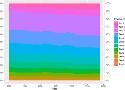
fully 40% of total U.S. emissions were associated with income flows to the highest earning 10% of households. Among the highest earning 1% of households (whose income is linked to 15–17% of national emissions) investment holdings account for 38–43% of their emissions
Comparing on a near-term basis (20-year time horizon) CH4 from enteric fermentation has more than double the impact on climate of CO2 from light-duty vehicles.
Comparing on a longer-term basis (100-year time horizon), the two are comparable.
"Now MintGreen is getting into industrial sales with a 12-year contract to provide heat with their new “Digital Boilers” (which recover more than 96% of the electricity used for mining) to North Vancouver’s district energy system to heat commercial and residential buildings. "

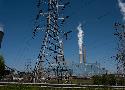


120% over target... whoops
"The new documents come as the climate crisis is nearing a tipping point, with average temperatures currently on pace to rise by 3.2 degrees Celsius above the baseline average temperature at the start of the industrial era, according to United Nations projections published in November. A separate study last month found the world’s 10 biggest fossil fuel-producing countries are on course to drill 120% more oil, gas and coal by 2030 than would be consistent with keeping warming within 1.5 degrees Celsius, beyond which scientists project catastrophic change."

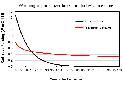
in-depth explanation of the efficiency of increasing developed country public spending on clean energy research and development, which through technology spillover can benefit developing countries, not punish them, unlike cruder methods like carbon limits, criticized as disproportionately hurting developing countries that are most reliant on fossil fuel for economic growth