32 private links
Children were severely punished for using their own language or acknowledging their heritage in any way, and this often involved physical, psychological, and even sexual abuse. Students frequently died or went missing, and due to poor record-keeping, effectively disappeared without a trace.
IRS attendance became mandatory for First Nations children in 1894—a policy inconsistently applied to Métis and Inuit children, as well. Indigenous communities regularly attempted to fight or hide their children, with whistleblowers sounding the alarm about the rampant abuses and high mortality rates at these schools as early as 1907—but the system persisted, and in fact, greatly expanded.
While the IRS system peaked in 1931—when 80 schools operated across the country—its atrocities continued until the late 20th century. The last didn’t close until 1996, the same year the Royal Commission on Aboriginal Peoples (RCAP) released a landmark, five-volume report, and only two years before issuing an official Statement of Reconciliation acknowledging the abuse and establishing the nonprofit Aboriginal Healing Foundation.
It’s estimated more than 150,000 children were forced to attend residential schools—and the shameful legacy of abuse didn’t end with their shuttering.

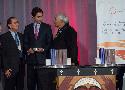
“And we will, in partnership with Indigenous communities, the provinces, territories, and other vital partners, fully implement the Calls to Action of the Truth and Reconciliation Commission, starting with the implementation of the United Nations Declaration on the Rights of Indigenous Peoples.