32 private links


A calorie-restricted diet could slow down the aging that naturally happens in the brain as we get older, according to a new study of rhesus monkeys, and the findings could also be relevant to brain diseases such as Alzheimer's.
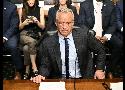
Robert F Kennedy Jr disputed claims by US senators on health policies, COVID-19 vaccines, and antidepressants.
Isaac Chotiner interviews the vaccine expert Paul Offit, who warns that the Health and Human Services head is deliberately sowing confusion about vaccine recommendations.
What Health and Human Services Secretary Robert F. Kennedy Jr. has done to the C.D.C. and to our nation’s public health system over the past several months — culminating in his decision to fire Dr. Susan Monarez as C.D.C. director days ago — is unlike anything we have ever seen at the agency, and unlike anything our country has ever experienced.
Secretary Kennedy’s unscientific and misguided vilification of mRNA technology and cancellation of grants is the epitome of cutting off your nose to spite your face.

When President Donald Trump named Robert F. Kennedy Jr. as his choice to lead the US Department of Health and Human Services, one group of health researchers was cautiously optimistic that their cause would finally have a champion at the highest levels of government: those focused on food and nutrition.
Fluoride toothpaste is efficacious in preventing dental caries, but its effectiveness depends on frequency of use by persons or their caregivers. In contrast, water fluoridation reaches all residents of communities and generally is not dependent on individual behavior.
Although early studies focused mostly on children, water fluoridation also is effective in preventing dental caries among adults. Fluoridation reduces enamel caries in adults by 20%-40% (16) and prevents caries on the exposed root surfaces of teeth, a condition that particularly affects older adults.
Water fluoridation is especially beneficial for communities of low socioeconomic status (18). These communities have a disproportionate burden of dental caries and have less access than higher income communities to dental-care services and other sources of fluoride. Water fluoridation may help reduce such dental health disparities.

“In just eight years after fluoridation ended in 2011, the need for intravenous antibiotic therapy by children to avoid death by infection rose 700 per cent at the Alberta Children’s Hospital.”
According to Dickinson, a recent University of Alberta study shows that for children under five years old, the rate of dental treatments under anesthesia doubled from 22 per 100,000 in 2010-11 to 45 per 100,000 in 2018-19.
For kids aged six to 11, the rates rose from 14 per 100,000 to 19 per 100,000.
The rates stayed the same over that time period in Edmonton, where the water is fluoridated.
“Since fluoridation ceased, the cavities (holes) in teeth are more numerous and larger. These might require filling or extractions,” Dickinson said.
“They are occurring earlier in a child’s life so that treatment can require general anesthesia.”

Based on 2013 estimated costs ($324 million), net savings (savings minus costs) from fluoridation systems were estimated to be $6,469 million and the estimated return on investment, 20.0.

To see the potential impact of stopping water fluoridation, Yancoskie points to locations that have been previously studied.
"The two areas that were studied were Juneau, Alaska, and Alberta, Canada, and when they removed that fluoride, the rates of cavities increased dramatically in the children of those populations," he said.
"Seventy years of research, thousands of studies and the experience of more than 210 million Americans tell us that water fluoridation is effective in preventing cavities and is safe for children and adults," according to the American Dental Association.

Medical Mystery: Only One Person Has Survived Rabies without Vaccine--But How? | Scientific American
ScientificAmerican.com talks with the first known survivor of rabies four years later
40% caloric restriction had the strongest lifespan extension effect but led to a loss of lean mass and changes in the immune repertoire that could confer susceptibility to infections. Intermittent fasting did not extend the lifespan of mice with high pre-intervention body weight, and two-day intermittent fasting was associated with disruption of erythroid cell populations.
US government study finds association between high levels of fluoride exposure and potential neurological risk
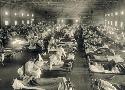
frail or unhealthy individuals were more likely to die during the pandemic than those who were not frail. During the flu, the estimated hazards for individuals with periosteal lesions that were active at the time of death were over two times higher compared to the control group